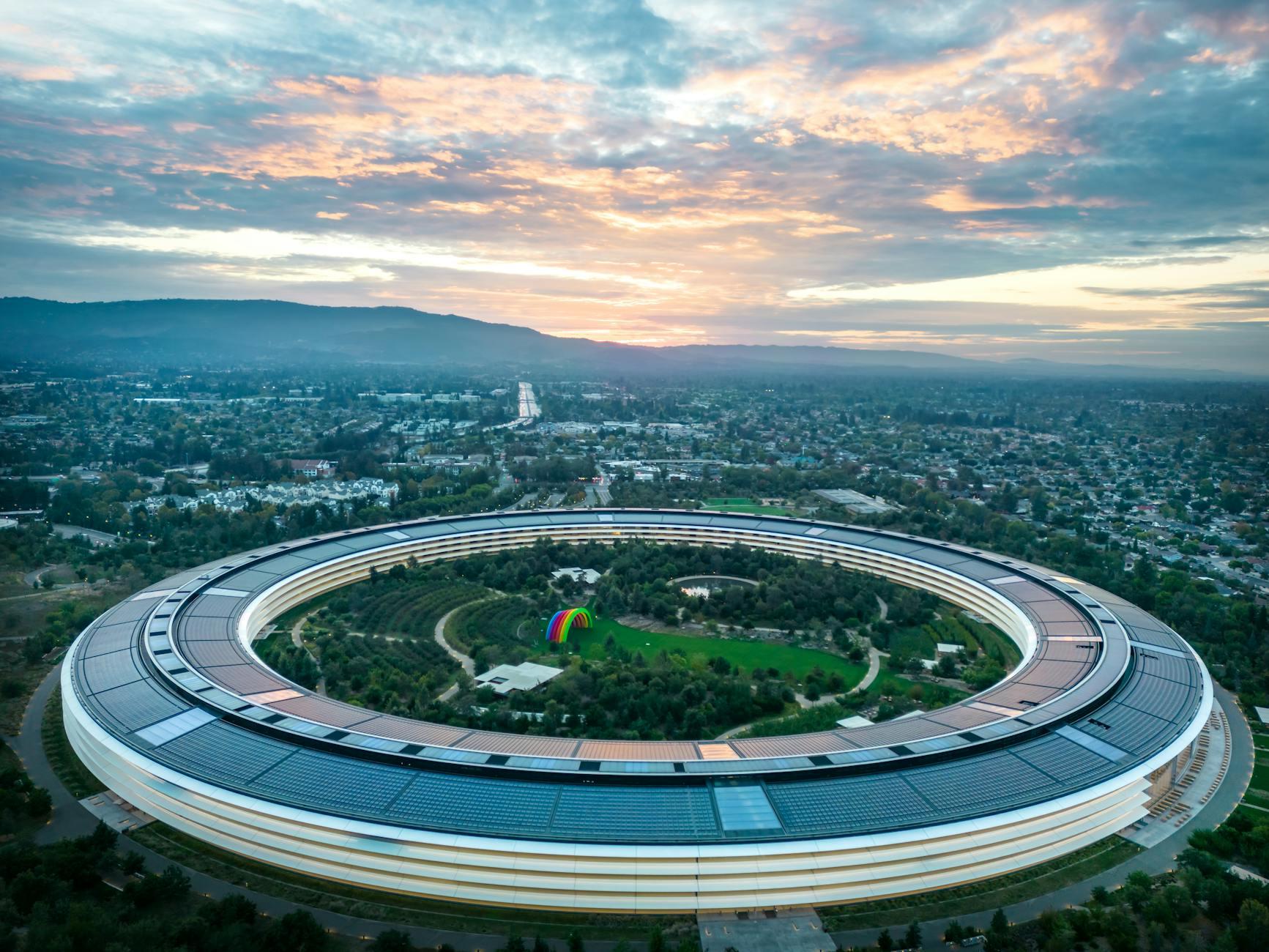
Michigan-based development expertise serving California's $3.9 trillion economy with enterprise solutions that handle West Coast complexity
FreedomDev is based in West Michigan and works with clients remotely across the United States.
California's economy is one of the largest in the world, larger than all but a handful of countries globally. This massive economic engine demands software infrastructure that can scale across distributed teams, handle multi-state regulatory compliance, and integrate with complex enterprise systems from legacy manufacturing platforms to modern cloud architectures.
The California technology landscape differs fundamentally from other markets. With a large tech workforce across the state, California employers face unique challenges: integration between acquired companies running disparate systems, legacy modernization for businesses operating since before the internet era, and coordination across facilities spanning the state's roughly 840 miles from San Diego to the Oregon border. Our development approach addresses these specific California scenarios through proven system integration methodologies and architectural patterns designed for geographic distribution.
Manufacturing remains California's third-largest employment sector despite the state's technology reputation. The state supports a large manufacturing workforce across thousands of establishments, from aerospace in Southern California to food processing in the Central Valley. These operations require software that bridges shop floor equipment with enterprise planning systems, handles real-time quality tracking across multiple shifts, and manages complex supply chains stretching to Pacific Rim suppliers. Our fleet management work demonstrates capabilities directly applicable to California logistics and manufacturing coordination.
California's agricultural technology sector presents distinctive software requirements. The state produces a substantial share of the nation's vegetables, fruits, and nuts, creating demand for systems managing irrigation scheduling, harvest timing, cold chain logistics, and food safety compliance. Agricultural operations need software integrating IoT sensor data from thousands of acres, coordinating seasonal labor forces, and ensuring traceability from field to distribution—technical challenges requiring database architecture that handles both high-volume sensor inputs and complex regulatory reporting.
The financial services sector in California extends beyond Silicon Valley fintech. Wells Fargo maintains significant California operations, Charles Schwab relocated headquarters to Texas but retains major California presence, and numerous regional banks serve specific industries from entertainment to agriculture. These institutions require software handling multi-state regulatory reporting, legacy system modernization, and integration between acquired regional banks operating different core platforms.
California's geographic distribution creates specific technical requirements for software architecture. A company with facilities in San Francisco, Los Angeles, and San Diego operates across three distinct metropolitan areas with different labor markets, regulatory environments, and operational challenges. Software serving these distributed organizations must handle latency considerations for real-time data, accommodate varying network infrastructure quality, and support asynchronous workflows when facilities operate across multiple time zones or shifts. Our development approach emphasizes distributed system patterns proven across similarly dispersed organizations.
The California regulatory environment demands software capabilities beyond typical business applications. CalOSHA requirements differ from federal OSHA standards. California's privacy laws under CCPA and now CPRA exceed federal requirements. Environmental reporting, labor law compliance, and industry-specific regulations create ongoing software modification needs. We architect systems with regulatory requirements externalized from business logic, enabling compliance updates without core system rewrites—critical for California businesses facing a high volume of regulatory changes each year.
Remote collaboration between Michigan-based development teams and California clients leverages time zone advantages rather than fighting them. Our Eastern Time Zone location means development work continues three hours after California close of business, providing overnight progress on critical issues and enabling true follow-the-sun development during intensive project phases. This geographic distribution has proven valuable for California clients needing rapid iteration cycles without the overhead of high local developer hourly rates in major California markets.
California's entrepreneurial culture creates specific software development patterns. Companies frequently pivot business models, acquire competitors, or expand into adjacent markets. Software architecture must accommodate these strategic shifts without complete rewrites. We emphasize modular design, API-first development, and service-oriented architecture that enables California businesses to modify operations while preserving core system investments. This architectural approach proves particularly valuable for private equity-backed California companies integrating acquisitions or venture-funded startups scaling beyond initial market assumptions.
The state's infrastructure challenges impact software design decisions. California's electrical grid faces reliability issues requiring applications to handle graceful degradation during power events. Wildfire season creates business continuity requirements for cloud failover and data replication. Seismic considerations influence data center selection and disaster recovery planning. Our [custom software development](/services/custom-software-development) incorporates these California-specific resilience requirements into architectural decisions, ensuring applications remain operational despite infrastructure challenges unique to the state.
California businesses increasingly require software supporting complex workforce arrangements. The state's AB5 legislation regarding contractor classification, diverse labor law requirements, and sophisticated HR compliance needs demand systems tracking worker classification, managing multi-state payroll complexity, and documenting compliance across employment categories. Our development experience includes workforce management systems handling these California-specific requirements alongside core business functionality, preventing the compliance gaps that create significant liability exposure for California employers.
FreedomDev is based in West Michigan and works with clients remotely across the United States.
Based in West Michigan, we serve businesses nationwide through remote collaboration and can discuss onsite needs when the situation calls for it.
California businesses require custom applications addressing specific operational challenges that packaged software cannot solve. Our [custom software development](/services/custom-software-development) creates web applications, desktop tools, and API services tailored to unique workflows, industry requirements, and integration needs. We build systems handling complex business logic like manufacturing work order routing, emphasizing maintainable code, comprehensive documentation, and knowledge transfer ensuring California teams can support applications long-term. Projects range from departmental tools automating manual processes to enterprise platforms coordinating multi-facility operations across the state.
California companies typically operate 10-15 different software systems requiring data coordination, from ERP platforms to industry-specific applications, CRM tools to e-commerce systems. Our [systems integration](/services/systems-integration) work connects disparate applications through APIs, database synchronization, file-based integration, and messaging platforms. The QuickBooks integration work case study demonstrates integration patterns applicable to California businesses needing financial system connectivity. We handle complex integration scenarios including legacy system connectivity, real-time data synchronization, and error handling ensuring data consistency across enterprise application portfolios.
California organizations accumulate years of operational data requiring proper database architecture, performance optimization, and strategic access. Our [database services](/services/database-services) include database design for new applications, legacy database modernization, performance tuning for systems handling millions of records, and reporting database development separating analytics from transactional systems. We work with SQL Server, PostgreSQL, MySQL, and cloud database platforms, implementing backup strategies, disaster recovery planning, and security controls meeting California privacy requirements. Database projects address performance issues, data quality improvements, and analytics infrastructure supporting business intelligence initiatives.
California businesses often implement ERP platforms like Acumatica, NetSuite, SAP Business One, or Microsoft Dynamics requiring customization for industry-specific processes and California regulatory requirements. Our [ERP development](/services/erp-development) extends packaged platforms through custom modules, workflow modifications, and specialized reporting. We develop ERP integrations connecting financial systems with operations applications, create industry-specific extensions for manufacturing or distribution processes, and build compliance reporting addressing California-specific regulatory requirements. ERP projects balance leveraging vendor-provided functionality against custom development addressing unique operational needs.
California field operations from construction sites to agricultural operations require mobile applications supporting offline functionality, location services, photo documentation, and barcode scanning. Our [mobile development](/services/mobile-development) creates native iOS and Android applications plus cross-platform solutions using modern frameworks. Mobile projects include field service applications for technician dispatch, inspection tools with offline data collection, inventory management with barcode scanning, and sales tools providing customer information and order entry capabilities. We emphasize offline-first architecture recognizing California's coverage gaps in agricultural areas and building basements.
Many California businesses operate software developed 10-20+ years ago using outdated technologies, running on unsupported platforms, or dependent on retiring developers' tribal knowledge. We modernize legacy systems through phased migration strategies minimizing operational disruption. Projects include re-platforming desktop applications to web-based systems, migrating Access databases to enterprise platforms, converting VB6 applications to modern languages, and replacing aging custom systems with contemporary architecture. Modernization work emphasizes functional parity preventing workflow disruption while introducing modern capabilities supporting current business requirements and future growth.
California technology companies and digital-forward businesses require API-first architecture supporting mobile applications, third-party integrations, and service-oriented systems. We develop RESTful APIs, GraphQL endpoints, and webhook integrations enabling system connectivity. API projects include creating integration layers for legacy systems lacking modern connectivity, developing microservices decomposing monolithic applications, implementing API gateways with authentication and rate limiting, and building webhook systems for event-driven architecture. API development emphasizes documentation, versioning strategies, and security controls protecting sensitive business data.
California businesses migrate to Azure, AWS, or Google Cloud seeking operational flexibility, disaster recovery capabilities, and infrastructure modernization. We architect cloud solutions balancing costs against performance requirements, design migration strategies minimizing downtime, and implement cloud-native services improving application capabilities. Cloud projects include lift-and-shift migrations moving existing applications to IaaS, application modernization leveraging PaaS services, hybrid architectures maintaining on-premises components while utilizing cloud capabilities, and multi-cloud strategies avoiding vendor lock-in. Cloud architecture addresses California-specific considerations including data residency, disaster recovery for earthquake/wildfire scenarios, and cost optimization.
California executives require data visibility across distributed operations, multiple business units, and complex organizational structures. We develop business intelligence solutions providing operational dashboards, executive reporting, and self-service analytics. BI projects include building data warehouses consolidating information from multiple source systems, creating Power BI or Tableau dashboards for department-specific metrics, developing automated report distribution, and implementing embedded analytics within operational applications. Analytics work emphasizes data accuracy, performance for large datasets, and intuitive interfaces enabling business users to answer questions without IT dependency.
California businesses lose productivity to manual processes involving data re-entry, email-based approvals, spreadsheet consolidation, and document routing. We develop workflow automation eliminating repetitive tasks and enforcing consistent processes. Automation projects include purchase order approval workflows, employee onboarding processes, document generation and routing, data import automation, and scheduled reporting. Solutions range from simple workflow tools to comprehensive business process management platforms, selected based on complexity requirements and integration needs. Automation work typically delivers ROI within months through labor savings and error reduction.
California software projects require rigorous testing ensuring reliability for business-critical operations, regulatory compliance, and multi-user scenarios. We provide QA services including test plan development, automated testing implementation, performance testing under load, security testing identifying vulnerabilities, and user acceptance testing coordination. Testing work applies to both new development and existing applications requiring validation after updates. QA projects include establishing testing frameworks for development teams, creating automated regression test suites, and implementing continuous integration pipelines with automated testing preventing defects from reaching production environments.
California development teams require deployment automation, infrastructure as code, monitoring systems, and operational support enabling rapid releases and system reliability. We implement DevOps practices including CI/CD pipeline configuration, containerization with Docker and Kubernetes, infrastructure automation using Terraform or ARM templates, and monitoring/alerting systems. DevOps projects establish deployment processes enabling frequent releases with minimal risk, create development/staging environments matching production configurations, and implement logging and monitoring providing operational visibility. Support includes troubleshooting production issues, performance optimization, and capacity planning for growing California operations.
FreedomDev delivered a complex integration project connecting our manufacturing systems with distributor networks across California and the Pacific Northwest. Their team understood both the technical requirements and operational realities, creating a solution that actually works in our environment rather than forcing us to change processes to fit generic software.
We build custom software and system integrations for agriculture businesses — connecting the tools you already use and automating the manual work between them.
We build custom software and system integrations for entertainment and media businesses — connecting the tools you already use and automating the manual work between them.
FreedomDev created an inventory workflow around existing ERP systems and later adapted it to support two warehouse platforms during a facility-by-facility migration.
Read the full case studyWe build custom software and system integrations for food and beverage businesses — connecting the tools you already use and automating the manual work between them.
FreedomDev connected 15 QuickBooks environments, ADP, and Google Sheets into one reporting application for fixed assets, costing, and invoice reconciliation.
Read the full case studyWe build custom software and system integrations for energy and utilities businesses — connecting the tools you already use and automating the manual work between them.
FreedomDev built a custom inventory and order-management platform around eBay, connecting purchasing, inventory, photography, listings, orders, refunds, and reporting.
Read the full case studyFreedomDev replaced a legacy job-tracking system with a custom application connecting employees, timecards, purchase orders, jobs, payroll, invoicing, QuickBooks, and reporting.
Read the full case studyTell us what is not working, what systems are involved, and what you are trying to improve. We'll help determine a practical next step.
Tell us what is not working, what systems are involved, and what you are trying to improve in Software Development in California. We'll help determine a practical next step.